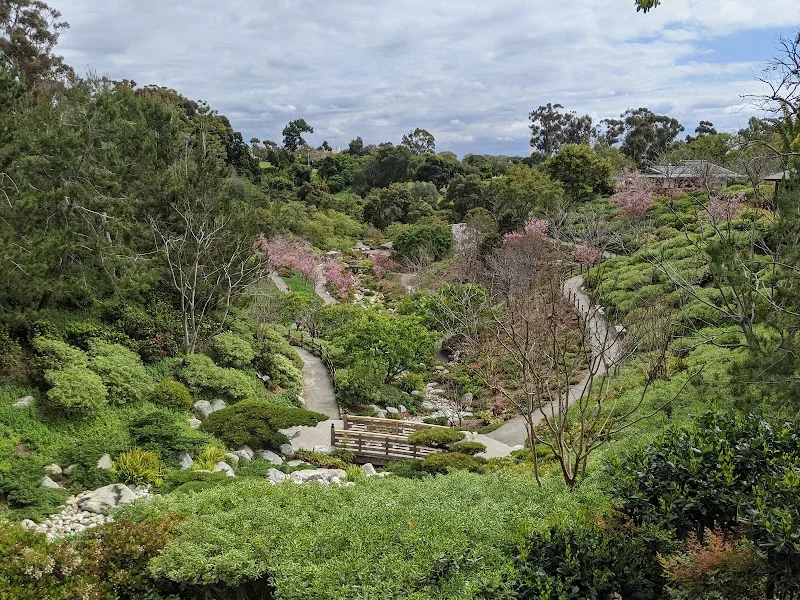
The Japanese Friendship Garden & Museum offers a focused selection of plants, with particular attention to species thriving in a temperate climate. Visitors can observe mature Camellia specimens, noted for their vibrant blooms which provide color even in winter months. The garden also showcases a significant bonsai collection, with individual trees exhibiting years of meticulous shaping and care. While not a traditional retail nursery, the garden's plant life provides inspiration and an example of horticultural practices relevant to regional aesthetics.
The health and quality of the plant material are consistently evident throughout the grounds. The Camellia varieties appear vigorous, and the carefully curated bonsai demonstrate sustained attention to their well-being. While the garden does not operate as a traditional garden center with inventory for sale, its presentation of established plants serves as a benchmark for health and proper cultivation within its designed landscape. The focus remains on the artistic display and preservation of the collection.
The garden's design integrates water features and traditional architectural elements that complement the plant selection. Pathways are thoughtfully arranged, guiding visitors through distinct areas that highlight different aspects of Japanese garden design. The landscaping maintains a high standard of upkeep, ensuring the visual coherence and continued vitality of the planted areas. This dedication to maintenance creates an environment where plant specimens are presented in optimal conditions for appreciation.